Have you noticed damp patches, bubbling paint or a musty smell coming from your walls? If you’re wondering why house walls soak up water, the answer usually involves moisture entering the building, travelling through porous materials or collecting on cold surfaces. For Adelaide homeowners, these problems can be particularly frustrating in older properties, although newer homes can experience moisture damage too. Understanding where the water comes from is the first step towards protecting your walls, preventing recurring damage and achieving a lasting paint finish.
Why Do House Walls Soak Up Water?
Walls are not always completely waterproof. Materials such as brick, mortar, render and plaster can contain tiny pores that allow moisture to enter or move through them. If water exposure continues or a wall cannot dry properly, moisture may accumulate and damage the surrounding materials.
Several factors can contribute to this problem, including leaking pipes, rain penetration, rising damp, poor drainage and indoor condensation. In South Australia, seasonal weather changes can also play a role. Dry periods followed by heavy rain may expose weaknesses in drainage or external finishes. Older homes may have deteriorated mortar, damaged damp-proof courses or traditional building materials that need specialised maintenance.
The important thing to remember is that a damp wall is a warning sign, not a diagnosis. Finding the source of the moisture helps determine the right repair.
Five Common Reasons Your Walls Become Wet
1. Rising Damp From The Ground
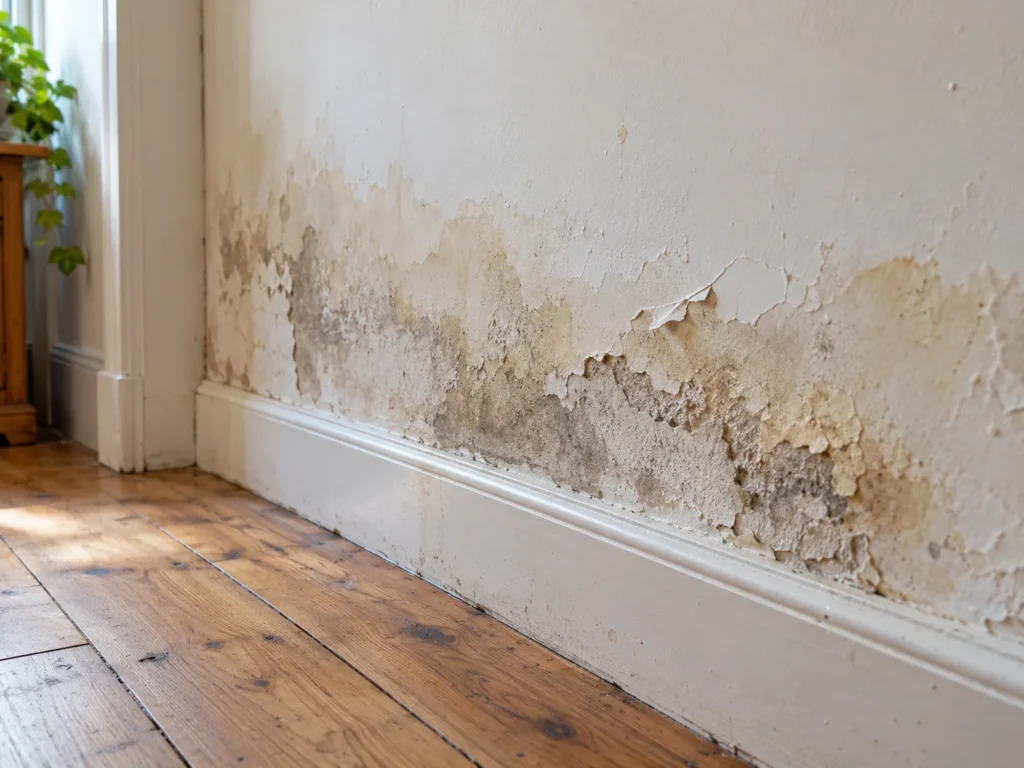
Rising damp occurs when moisture moves upwards from the ground through porous masonry. It can happen when a damp-proof course, which acts as a moisture barrier, is missing, damaged or bridged by soil and paving. This is a recognised concern in older South Australian buildings. Moisture can carry dissolved salts into brickwork and plaster. When the water evaporates, salts remain behind and can damage the surface. Look for dampness near skirting boards, crumbling plaster, white powdery deposits and paint that repeatedly flakes away. These signs may indicate rising damp or salt damp, but professional assessment is often needed to confirm the cause.
2. Rainwater Entering Through External Walls
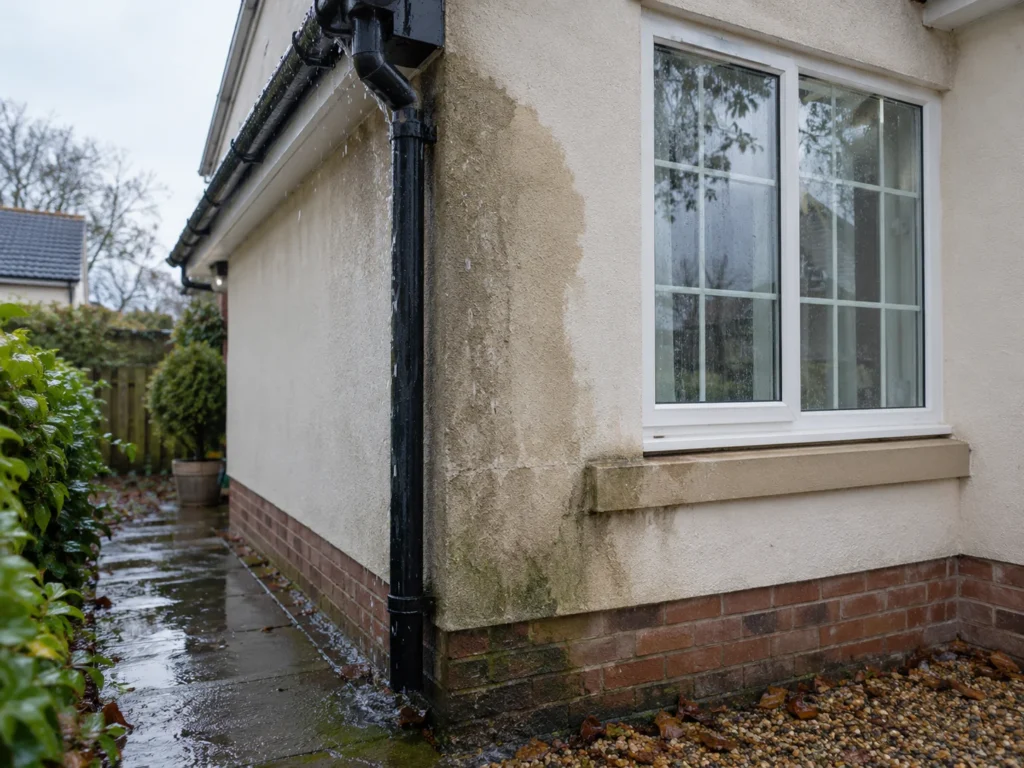
Heavy rain can expose cracks in exterior render, damaged mortar joints, faulty window seals and gaps around doors. Water may then travel into the wall and appear as stains or peeling paint indoors. Check external walls and window surrounds for visible deterioration. If damp patches appear after rainfall, investigate roof drainage, external seals and masonry rather than simply repainting the affected area.
3. Leaking Roofs, Gutters And Pipes
A blocked gutter or leaking downpipe can allow water to collect beside your home’s foundations or run down external walls. Roof leaks and damaged plumbing can also introduce moisture into ceilings and wall cavities. Sometimes, the visible stain appears well away from the actual leak because water travels through building materials before reaching the surface.
Repairing the leak promptly can help prevent further damage to plaster, paint and other building components.
4. Condensation And Indoor Humidity
Not all damp walls are caused by water entering from outside. Condensation forms when moisture in the air meets a cooler surface. Showering, cooking and drying clothes indoors release moisture into the air. Without adequate ventilation, this moisture can collect on cold walls, around windows and behind furniture.
Over time, persistent condensation can encourage mould growth and musty smells. Use bathroom and kitchen exhaust fans that vent outdoors, improve airflow and avoid trapping furniture tightly against cold external walls.
5. Poor Drainage And Ground Moisture
When rainwater pools near a house, moisture exposure around the foundations can increase. Poorly directed downpipes, blocked drains and garden beds raised against walls may contribute to the problem. Check that surface water drains away from the building and that soil or paving does not cover or bridge the damp-proof course. Drainage improvements should suit the property and must not redirect water onto neighbouring land.
What Does Water Damage Mean For Your Home?
Moisture damage can affect more than appearance. Depending on the source and severity, it may cause:
- Peeling or bubbling paint: Moisture can weaken the bond between paint and the surface.
- Cracked or crumbling plaster: Prolonged dampness and salt crystallisation can damage wall finishes.
- Mould and musty odours: Persistent moisture creates conditions that support mould growth.
- Salt deposits: White, powdery marks may indicate salts moving through masonry.
- Damage to building materials: Long-term moisture can affect timber and other moisture-sensitive components.
A small stain does not automatically mean serious structural damage. However, recurring dampness, extensive mould, deteriorating masonry or worsening cracks should be investigated before the damage progresses.
How to Fix Water-Damaged Walls Properly
The most effective repair starts with identifying the source of the moisture.
Step 1: Find And Fix The Cause
Repair leaking pipes, faulty roof drainage, damaged window seals and other sources of water entry. Where rising damp, salt damp or structural movement is suspected, seek a suitable professional assessment.
Step 2: Allow The Wall To Dry
Do not rush into repainting. Drying time depends on the wall material, the amount of moisture and the surrounding conditions. Persistent moisture may require specialist investigation or moisture measurements.
Step 3: Prepare The Damaged Surface
Once the cause has been addressed and the surface is sufficiently dry, loose paint and unsound plaster may need to be removed. Stable cracks can be filled with suitable products, while damaged masonry or salt-contaminated surfaces may require a more specialised repair approach.
Step 4: Choose Suitable Primers And Paint
The correct primer, sealer and topcoat depend on the substrate and the remaining conditions. Products designed for damp-prone areas can help where appropriate, but they cannot replace fixing a leak or treating active rising damp.
For professional house painting Adelaide projects, careful preparation helps improve paint adhesion and the quality of the final finish
How Can You Prevent Damp Walls in Adelaide?
A few regular maintenance habits can reduce the risk of recurring moisture problems:
- Clean gutters and check downpipes before and during the wetter months.
- Inspect roofs, external walls and window seals for damage.
- Keep drainage clear and direct stormwater away from foundations.
- Use exhaust fans while showering and cooking.
- Ventilate rooms when practical and dry clothes outdoors when possible.
- Investigate recurring stains, musty smells and peeling paint early.
- Monitor cracks and seek advice if they widen or appear alongside uneven floors or sticking doors.
These simple checks can help identify problems early, although persistent dampness requires a solution tailored to the building.