


How To Remove Paint From Concrete
Paint can be removed from concrete using DIY methods for small areas, but professionals are best for large, thick, or delicate surfaces to ensure safe and lasting results.
Spilled paint on your concrete driveway? Got old paint peeling off the garage floor or patio? You’re not alone — this is one of the most common problems Adelaide homeowners face. And the good news is, it’s completely fixable. In this guide, we’ll walk you through the best methods to remove paint from concrete step by step, using plain and practical advice.
Why Paint Sticks So Hard To Concrete
Concrete may look solid, but it’s actually highly porous. Think of it like a sponge filled with thousands of tiny holes. When paint is spilled or applied, it seeps into these pores and hardens inside them.
That’s why paint won’t simply peel away like a sticker.
The longer paint stays on concrete, the harder it is to remove. Adelaide’s hot weather and strong sun can cause the paint to soak deeper into the surface over time. That’s why it’s best to clean it up as soon as possible.
First: Identify The Type Of Paint
The removal method depends on the type of paint you’re dealing with.
1. Water-Based (Latex) Paint
The easiest type to remove. Commonly used for DIY projects and interior concrete surfaces. It generally responds well to hot water, soap, and mild solvents.
2. Oil-Based Paint
More durable and resistant. Usually requires stronger paint strippers or mechanical removal methods. Frequently found on driveways and exterior surfaces.
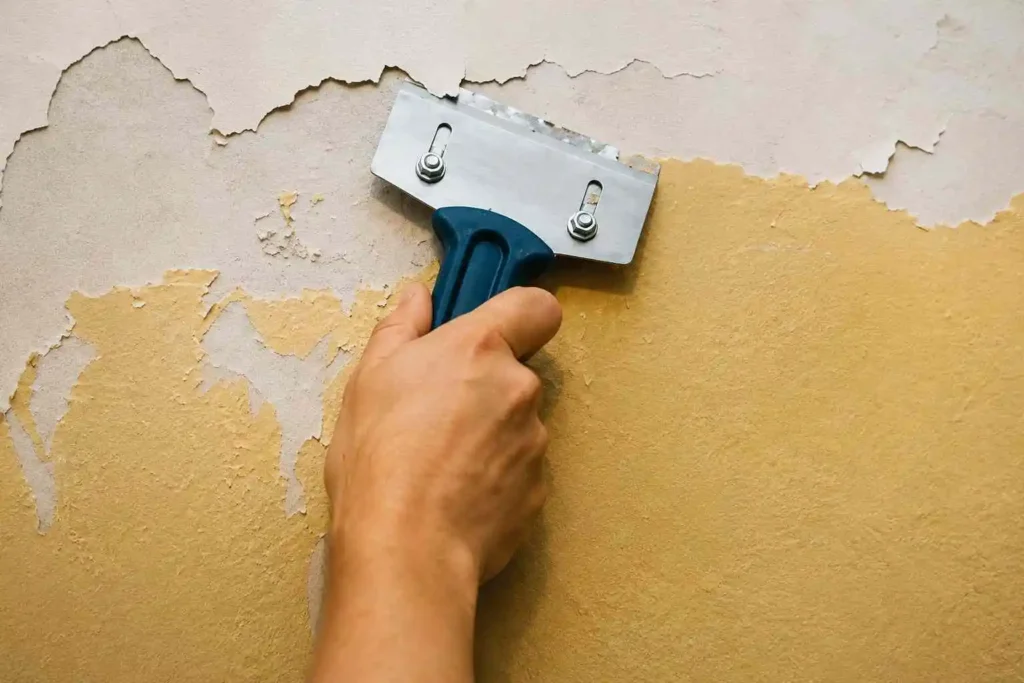
3. Epoxy Or Spray Paint
The most difficult type to remove. Epoxy creates an extremely strong bond with concrete, while spray paint often requires specialised solvents. Professional assistance may be necessary.
Quick Test:Rub a small area with methylated spirits on a cloth. If the paint softens or transfers to the rag, it’s likely water-based. If nothing happens, it’s probably oil-based or epoxy.
Prepare The Area Before You Start
Preparation makes paint removal significantly easier and more effective.
1. Sweep And Clear
Remove dirt, dust, leaves, and loose debris. Surface contaminants can prevent paint removers from reaching the paint.
2. Wash The Surface
Scrub the area with warm, soapy water and a stiff-bristled brush. Allow it to dry completely.
3. Remove Loose Paint
Use a paint scraper or wire brush to remove any flaking, bubbling, or peeling paint before applying treatment.
4. Wear Safety Gear
Always wear gloves, eye protection, and a dust mask before starting.
6 Effective Methods To Remove Paint From Concrete
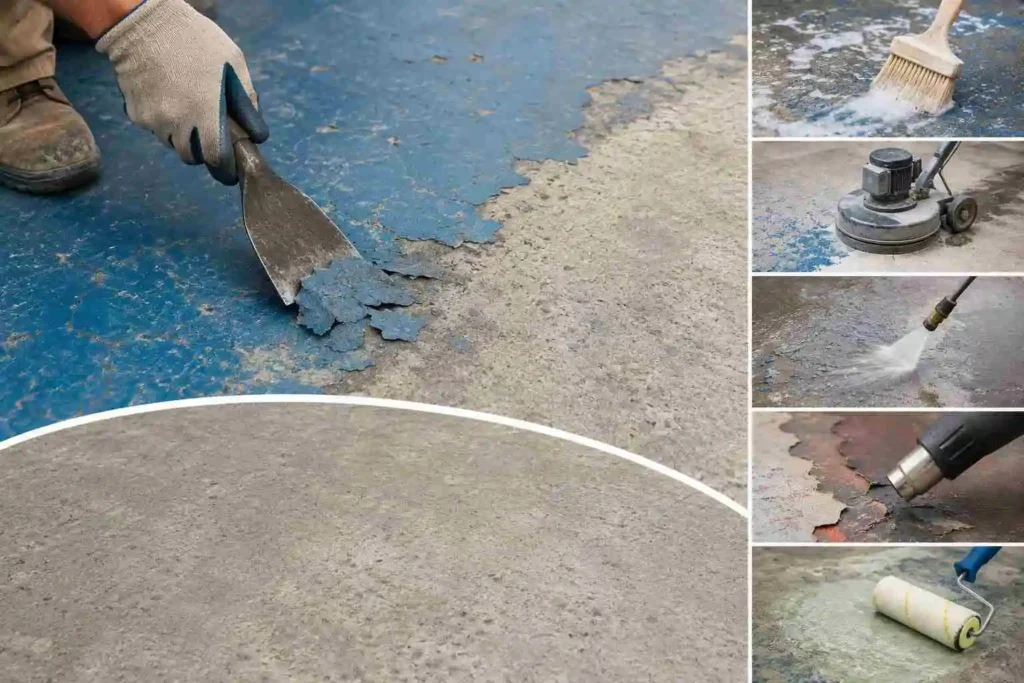
Method 1 — Chemical Paint Stripper
This is the most reliable method for stubborn, dried paint — especially oil-based paint. A dedicated concrete paint stripper breaks down the paint’s bond with the surface so you can scrape it away cleanly. Look for products at Bunnings or a local hardware store in Adelaide.
How to do it: Apply a thick layer of stripper using a brush or squeegee, following the product directions. Leave it to work (usually 15–30 minutes). Then scrape off the softened paint with a putty knife or wire brush. Rinse thoroughly with water.
Pro tip: For textured or pitted concrete, use a stiff wire brush to work the softened paint out of the low spots before it re-hardens.
Best for: Oil-based paint, thick or dried paint, multiple layers
Pros: Very effective, works on almost all paint types
Cons: Requires safety precautions, chemical fumes in enclosed spaces
Method 2 — Pressure Washing
Pressure washing is a great starting point for large outdoor areas like driveways and patios. It works well on paint that’s already starting to flake or peel. For best results, you need a machine with at least 3,000 PSI — anything lower will just clean the surface without actually lifting the paint.
How to do it: Spray at an angle, moving in slow, steady lines. Work up and down first, then across. Don’t blast the same spot repeatedly or you risk cracking the concrete.
Best for: Driveways, patios, large outdoor areas with peeling paint
Pros: Chemical-free, fast for large areas
Cons: Less effective on deep, absorbed paint
Method 3 — Methylated Spirits
If you’re dealing with water-based or latex paint, methylated spirits (available at any hardware store or the supermarket) can be surprisingly effective — and a lot less harsh than commercial strippers.
How to do it: Pour methylated spirits directly onto the paint spot. Let it soak in for a few minutes. Then scrub the area with a long-handled stiff brush. The paint should start to lift. Rinse with water once done.
Best for: Water-based paint, fresh spills, smaller areas
Pros: Affordable, easy to find, gentle on concrete
Cons: Won’t work on oil-based or epoxy paint
Method 4 — Vinegar Or Baking Soda
If you prefer to avoid harsh chemicals — especially indoors or around pets and kids — white vinegar and baking soda are worth trying on smaller stains. Vinegar is a mild acid that breaks down water-based paint, while a thick baking soda paste helps lift it.
How to do it: Pour white distilled vinegar generously over the stain and let it soak for several minutes. Scrub hard with a wire brush. For baking soda, mix with water into a thick paste, apply, leave for a few hours, then scrub away.
Best for: Small spots of water-based paint, eco-conscious homeowners
Pros: Safe, non-toxic, no fumes
Cons: Slow, requires elbow grease, not for large areas or tough paint
Method 5 — Concrete Grinder
For large commercial floors, garage slabs, or paint that simply won’t budge any other way, a concrete grinder physically strips paint off the surface. This is fast and effective, but it does require specialised equipment and some skill.
How to do it: Use a walk-behind or handheld angle grinder fitted with a diamond grinding disc. Move it in side-to-side motions to avoid gouging. You’ll create a lot of dust — vacuum frequently and always wear a respirator.
Best for: Large commercial floors, thick epoxy, multiple stubborn layers
Pros: Very fast for big areas, no chemicals needed
Cons: Creates a lot of dust — must wear respirator, can slightly alter texture
Method 6 — Soda Blasting
Soda blasting uses industrial-grade sodium bicarbonate fired at high pressure to strip paint off concrete. It’s biodegradable, low-odour, and won’t damage the surface underneath. However, it takes skill to operate safely — it’s generally best left to a professional.
Important: Keep any overspray away from garden beds, as the high pH level of the soda can harm plants.
Best for: Large areas, sensitive concrete surfaces, environmentally conscious jobs
Pros: Safe for concrete, low odour, biodegradable
Cons: Requires professional equipment, more expensive than DIY methods
Safety Tips You Should Never Ignore
Paint removal — especially with chemical strippers — can be hazardous if you’re not careful. These are non-negotiables before you start any of these methods:
Safety Checklist
- Always wear chemical-resistant gloves (nitrile or butyl rubber — not just household rubber gloves)
- Wear safety goggles to protect your eyes from splashes and debris
- Use a respirator or dust mask, especially when grinding or using chemical strippers indoors
- Make sure the area is well-ventilated — open doors, windows, and garage doors
- Keep children and pets well away from the work area
- Never mix different chemicals together
- If your concrete was painted before 1978, test for lead-based paint before starting
- Always test your chosen method on a small, hidden patch of concrete first
Common Mistakes To Avoid
Most failed paint removal attempts come down to the same handful of errors. Save yourself time and frustration by avoiding these:
Mistakes That Will Cost You
- Not cleaning the surface first — dirt and grime prevent strippers and solvents from reaching the paint.
- Using too low a pressure — with pressure washing, anything under 3,000 PSI will just wash the surface, not the paint.
- Being too aggressive on decorative concrete — stamped or stained concrete needs gentle treatment. Excessive scraping and grinding can permanently damage it.
- Rushing the chemical stripper — give it the full time listed on the label. Wiping it off too early means starting all over again.
- Skipping the test patch — always test your method on a small, hidden area first to check for discoloration or surface damage.
- Not neutralising chemicals after — skipping the rinse step can leave residue that affects any future sealers or coatings.
What to Do After the Paint Is Gone
1. Rinse And Neutralise
Wash the surface thoroughly with clean water. Follow any neutralisation instructions provided by the stripper manufacturer.
2. Inspect The Concrete
Check for cracks, chips, or damage that may need repair before recoating.
3. Seal Or Recoat
Concrete is naturally porous. Applying a sealer, coating, or primer helps protect the surface and improves future maintenance.
When To Call A Professional Painter In Adelaide
DIY paint removal can work well for small jobs, such as a few paint spots on a driveway or a small patch in the garage. However, there are situations where hiring a professional is the better option. Large areas like full garage floors, driveways, or commercial spaces can take days to clean without professional equipment. Thick epoxy coatings or multiple layers of old paint often require industrial grinders or blasting tools that are expensive to rent for a one-time project. Decorative concrete surfaces, including stamped, stained, or polished concrete, can also be easily damaged if the wrong removal method is used. If you plan to repaint or seal the surface afterward, professional paint removal ensures the concrete is properly prepared, helping the new coating last longer and look better.
Need Help with Paint Removal in Adelaide?
Whether you need paint removed from a driveway, garage floor, patio, or commercial concrete surface painting, professional preparation ensures the best results. Aussie Painters SA provides concrete preparation, paint removal, surface restoration, and professional painting services throughout Adelaide.
Contact Aussie Painters SA today for a FREE quote.


